


Intellectual disability (ID) begins during childhood and involves deficits in mental abilities, social skills, and core activities of daily living (ADLs) when compared to same-aged peers.
The level of impairment ranges in severity for each person. Some of the early signs can include
-
Delays in reaching or failure to achieve milestones in motor skills development (sitting, crawling, walking)
-
Slowness learning to talk or continued difficulties with speech and language skills after starting to talk.
-
Difficulty with self-help and self-care skills (e.g., getting dressed, washing, and feeding themselves).
-
Poor planning or problem solving abilities.
-
Behavioural and social problems.
-
Failure to grow intellectually or continued infant-like behaviour.
-
Problems keeping up in school.
-
Failure to adapt or adjust to new situations.
-
Difficulty understanding and following social rules.
Want to help?
Hope Public Charitable Trust cares for children and adults with intellectual disabilities across our Chennai centres. Donations are eligible for 80G tax exemption.
- Donate now — support our orphanage in Chennai
- Sponsor a child in need
- Celebrate a birthday with our children
- Volunteer with us in Chennai
- Visit our orphanage in Chennai
To visit or ask a question, call 7358095515 or 9841330330.
Related Blogs
Continue Reading
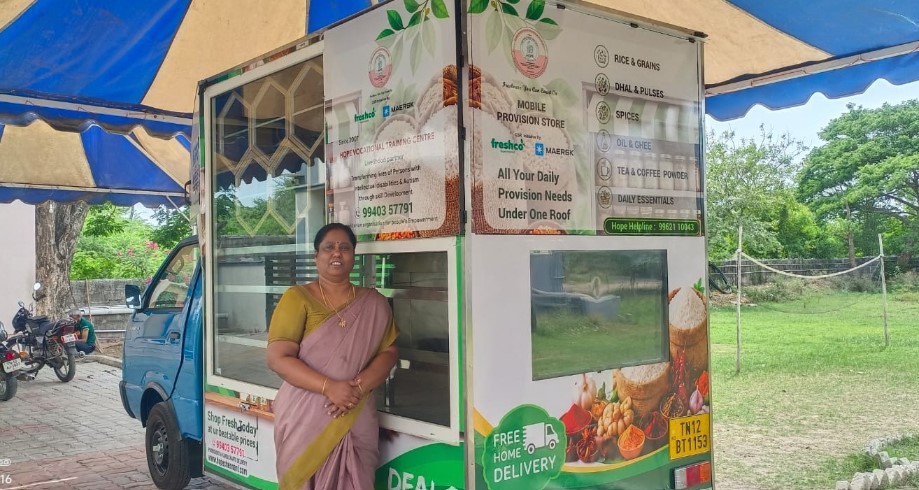
08 Jul 2026
HOPE Provision Van – Driving Care, Hope, and Inclusion
On 08.07.2026, HOPE Public Charitable Trust proudly announced the upcoming launch of the HOPE Provision Van for our special needs community. This meaningful initiative marks an important step towards improving accessibil
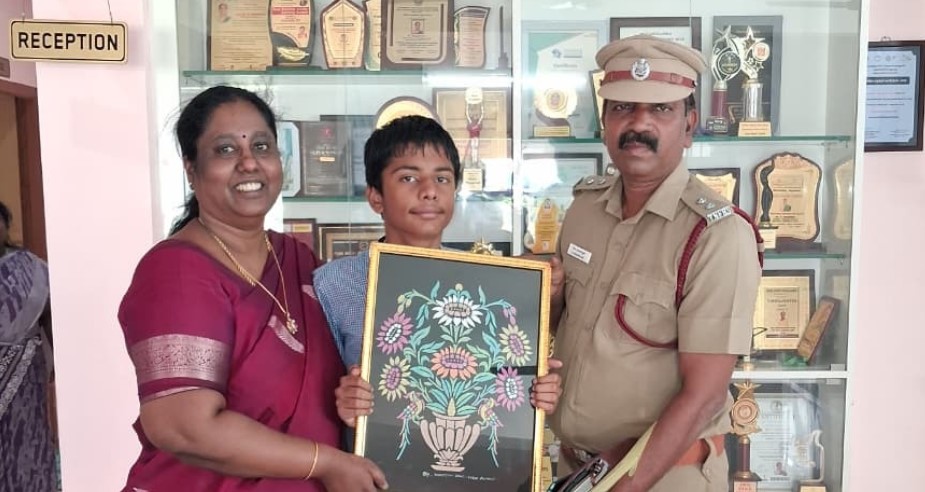
07 Jul 2026
A Special Visit to HOPE NIOS
On 07.07.2026, Fire Officer Mr. Nagarajan visited HOPE Public Charitable Trust NIOS, making the day truly memorable for our team and students. During his visit, he explored the various initiatives of HOPE and learned abo
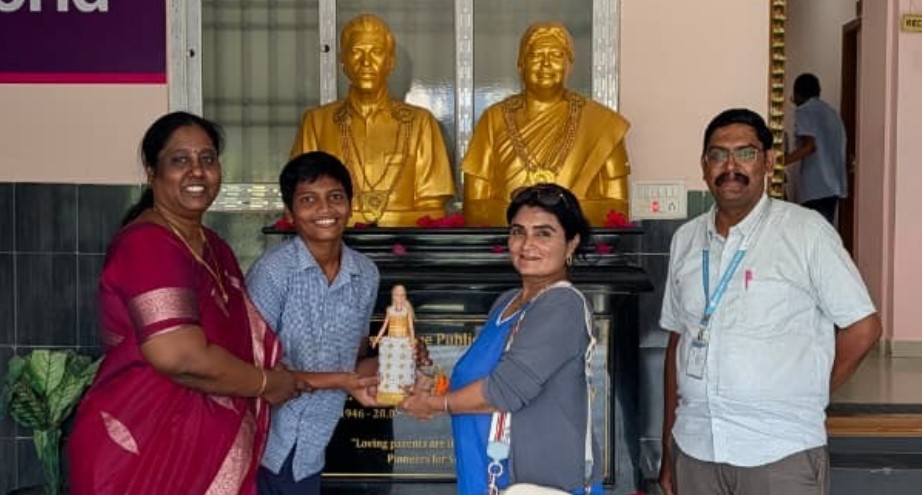
07 Jul 2026
Maersk’s Continued CSR Partnership with HOPE
On 07.07.2026, Dr. Kavitha S., CSR Captain, Maersk Global Service Centres (India) Pvt. Ltd., visited the HOPE Residential Home and Vocational Training Centre, Annambedu. Her visit reflected Maersk’s continued commitment